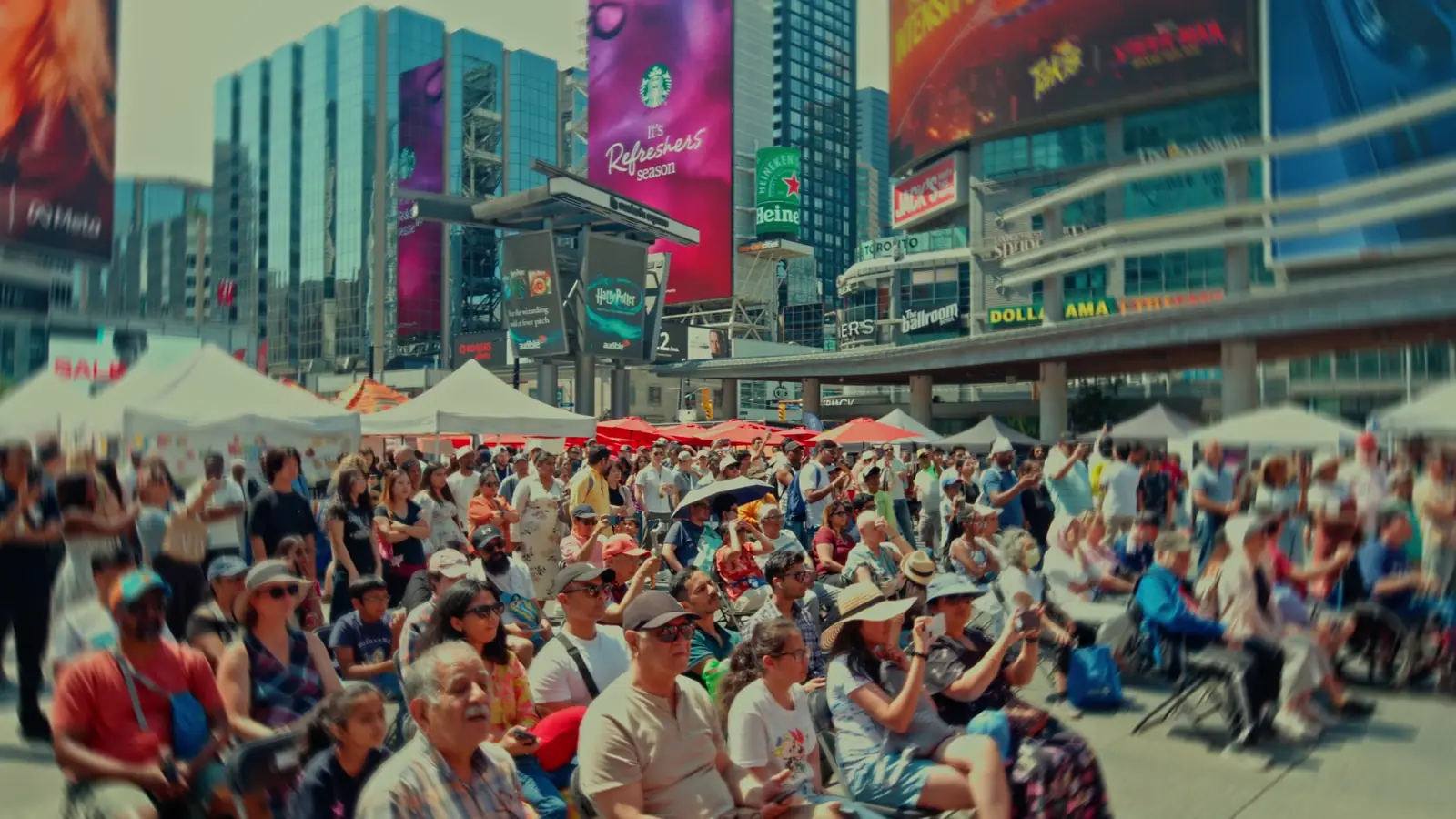

Festivals are some of the best days of the summer. They're also some of the most crowded environments most people will ever willingly walk into. Two-day cultural events can pack 100,000 people into a few city blocks. Music festivals routinely cross the million-attendee mark. And while the overwhelming majority of these events go off without incident, the difference between a good day and a bad one often comes down to a few decisions you make before you even arrive.
This guide walks through what to plan, what to pack, and what to do once you're inside the crowd — whether you're heading to Worldfest Canada at Sankofa Square or any other major event this season.
Before You Go: The Planning That Matters Most
Most festival incidents that are preventable get prevented in the 24 hours before the event, not at the event itself. A little prep work goes a long way.
Research the venue layout
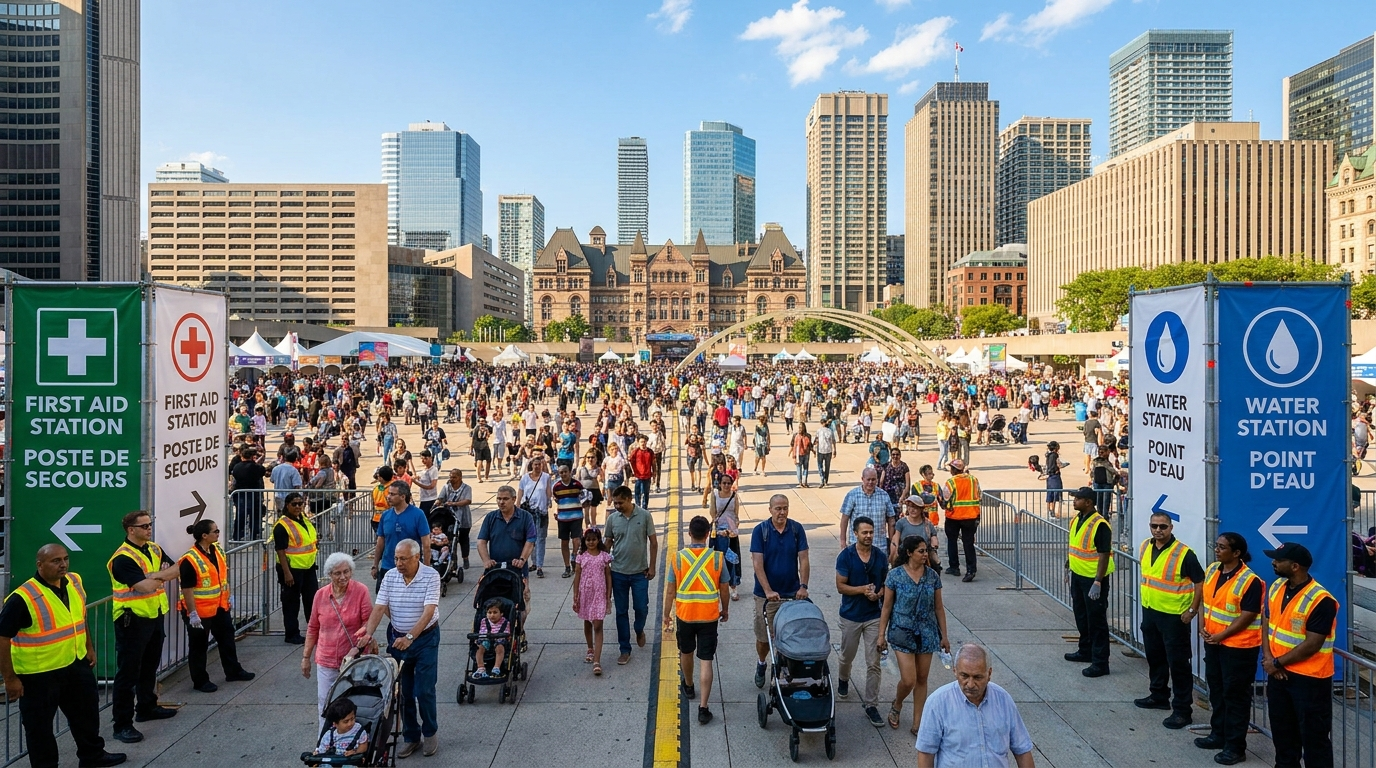
Pull up a site map before you leave the house. You're looking for four things: entry and exit points, first aid stations, water refill points, and the nearest cross streets. According to the Florida Sheriffs Association, knowing your exits is one of the most useful safety habits you can build, because in an emergency, knowing the nearest exit can save crucial seconds.
For Worldfest Canada specifically, the festival runs at Sankofa (Yonge-Dundas) Square, which sits at one of Toronto's busiest intersections. Multiple subway exits, plenty of police presence, and well-marked first aid stations make it one of the safer venues in the city — but you should still know where things are before you arrive.
Set a meeting point with your group
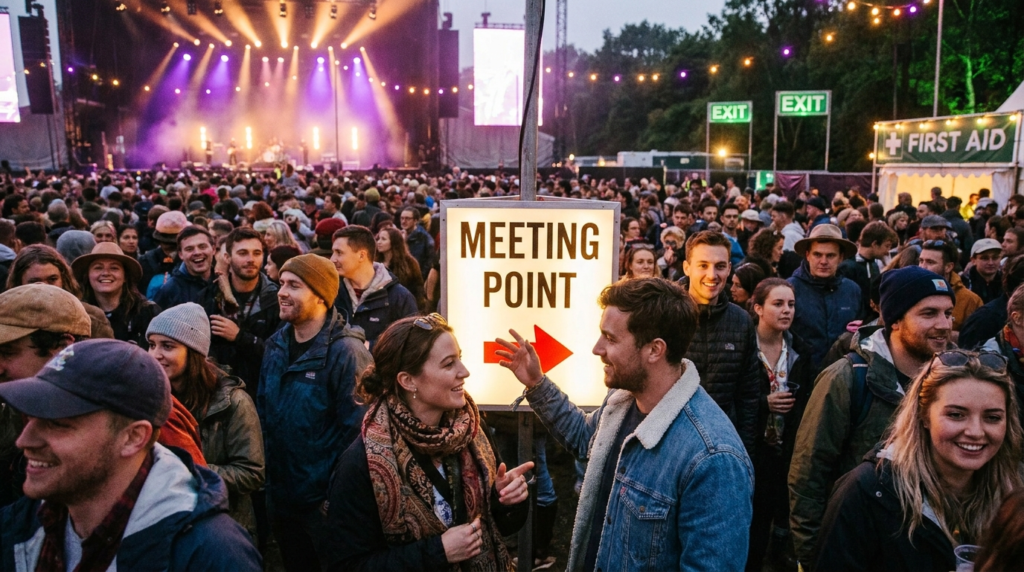
Phone signal at festivals is famously unreliable. Pick a landmark — a specific vendor tent, a sculpture, a street corner — and agree that if anyone gets separated, that's where you regroup. Pick something that won't move and that's easy to describe.
Check the rules
Every event has its own list of permitted and prohibited items. Bag size limits, water bottle policies, re-entry rules. The five minutes it takes to scan the official site can save you from getting turned away at the gate or having to throw something out.
What to Pack
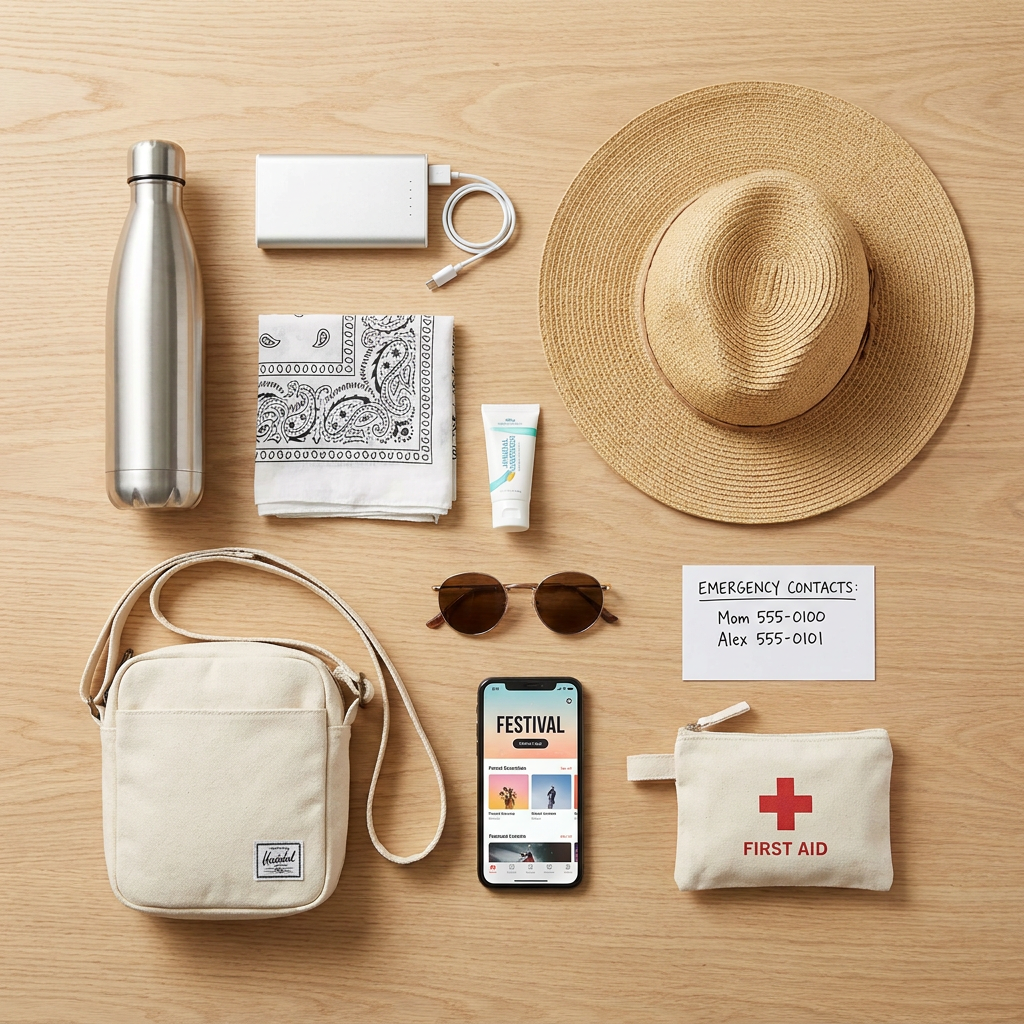
A short list, organized by what actually matters:
Essential
- Refillable water bottle (most major festivals have free refill stations)
- Portable phone charger
- Government ID
- A small amount of cash for vendors that don't take cards
- Sunscreen and a hat
Smart additions
- A physical card with emergency contacts and any medical conditions or allergies
- Any medications you might need, plus a backup
- Hand sanitizer
- A bandana or distinctive item that helps your group spot each other
Leave at home
- Expensive jewellery
- Anything you'd be devastated to lose
- More cash than you need
The general rule: bring what you need, leave what you don't. Pickpockets work festivals, and drunk or distracted attendees make easy targets.
Heat, Hydration, and Your Body
Outdoor festivals in July are hot. Toronto regularly hits the low 30s during peak festival season, and concrete plazas like Sankofa Square radiate heat well into the evening.
Hydrate before you're thirsty
By the time you feel thirsty, you're already mildly dehydrated. Drink water steadily throughout the day, not just when you remember. If your urine is dark yellow, that's your signal to drink more. Alcohol and caffeine both work against you here, so alternate them with water.
Know the warning signs of heat illness
Heat exhaustion looks like heavy sweating, weakness, nausea, and cool clammy skin. Heat stroke is more serious — high body temperature, hot dry skin, confusion, possible loss of consciousness. If you or someone in your group shows signs of heat stroke, get to a first aid tent immediately. Don't wait it out.
Take shade breaks
Find tents, awnings, or trees and rotate through them. Twenty minutes in the shade every couple of hours makes a real difference, especially if you're standing for extended periods.
Crowd Awareness: The Most Important Section in This Post
Most festival fatalities in the last two decades have come from crowd crushes, not violence or substances. Density is the variable to watch.
Understand what dangerous density looks like
Research cited by Health Canada and emergency medicine specialists and crowd science experts shows that once a crowd exceeds roughly five people per square metre, individual movement becomes nearly impossible. At that density, the crowd starts behaving like a single body of water, and pressure waves can pass through it strong enough to bend steel barriers. You don't want to be in that crowd.
Warning signs to act on immediately
- You can't move your arms freely
- You feel pressure from multiple directions, not just one
- You can't see the ground around your feet
- People near you are visibly distressed or struggling to breathe
If you notice any of these, start moving diagonally toward the edge of the crowd. Never push directly backwards against the flow. If you fall, protect your head with your arms and try to get up as soon as space opens.
Stay away from hard barriers in dense crowds
Fences and walls are crush points when a crowd surges. The middle of an open area is safer than the front rail of a stage when density gets high.
The Buddy System Still Works
It sounds basic because it is. Stay with at least one other person. Check in every hour or so. If you're going alone, text a friend who isn't at the event with regular updates.
Northwestern Medicine's emergency team has pointed out that most festival fatalities at major events involve people who were alone when something went wrong. Strength in numbers is real.
Family-Specific Safety
If you're bringing kids:
- Take a photo of them at the start of the day so you have an exact record of what they're wearing.
- Write your phone number on their arm with a marker, or use a wristband with your contact info.
- Identify a family meeting point as soon as you arrive and walk the kids to it.
- Stay in less dense areas — most major festivals, including Worldfest Canada's Soccer Zone, set aside dedicated family-friendly spaces with lower crowd density and kid-focused programming.
Trust Your Gut
This is the safety advice that sounds the softest and matters the most. If a person, place, or situation feels off, leave. Move toward security, toward staff, toward your meeting point, toward the exit. You don't need to justify the decision to anyone, including yourself.
Festival security and first aid teams want you to come find them. That's the whole reason they're there. Being embarrassed to ask for help is a bigger risk than asking.
A Quick Pre-Festival Checklist
Run through this the morning of:
- Charged phone and portable charger packed
- Water bottle filled or empty and ready to refill
- ID, cash, and emergency contact card in a secure pocket or zipped bag
- Sunscreen applied, hat in hand
- Meeting point agreed with your group
- Site map reviewed, exits and first aid located
- Weather checked, layers adjusted
If you can answer yes to all seven, you're ready.
Festivals are supposed to be joyful. The safety habits above aren't there to dim the day — they're there to make sure the day stays joyful from open to close. Worldfest Canada and other well-run events put significant effort into crowd management, security staffing, and medical coverage. Your part is the planning, the awareness, and the willingness to act early if something feels wrong. Do those three things and you'll have the kind of festival day you'll want to repeat.